What Should You Check Before You Purchase Silver Bars?
Before you buy, check:
- Who refined or manufactured the bar?
- Is its weight clearly stated in grams or troy ounces?
- Is the silver fineness clearly identified, for example as 999 fine silver?
- Do the markings and product description correspond with one another?
- Can the seller clearly explain where the bar came from and who produced it?
- Does the total price make sense relative to the live value of silver and the normal costs of a physical bullion product?
No single check guarantees authenticity.
At Baird & Co. we combine refining, manufacturing and bullion retail, so buyers can compare a product's specification and purchase it through the same established precious-metals business.
What Does 999 Fine Silver Mean on a Silver Bar?
999 fine silver means the bar contains 999 parts silver per 1,000, equivalent to 99.9% purity. The stated fineness should be consistent with the manufacturer's specification and product records, while the stated weight should correspond with the physical product.
If you purchase silver bars advertised as 999 fine silver, the physical product, listing and records should correspond with that specification. A mismatch in weight, purity, branding or description deserves further investigation.
Once you've confirmed the specification, compare bar sizes, formats and current prices. We offer minted and cast 999 fine silver bars, so you can compare the current silver-bar range in one place.
What Markings Should You Look for on a Silver Bar?
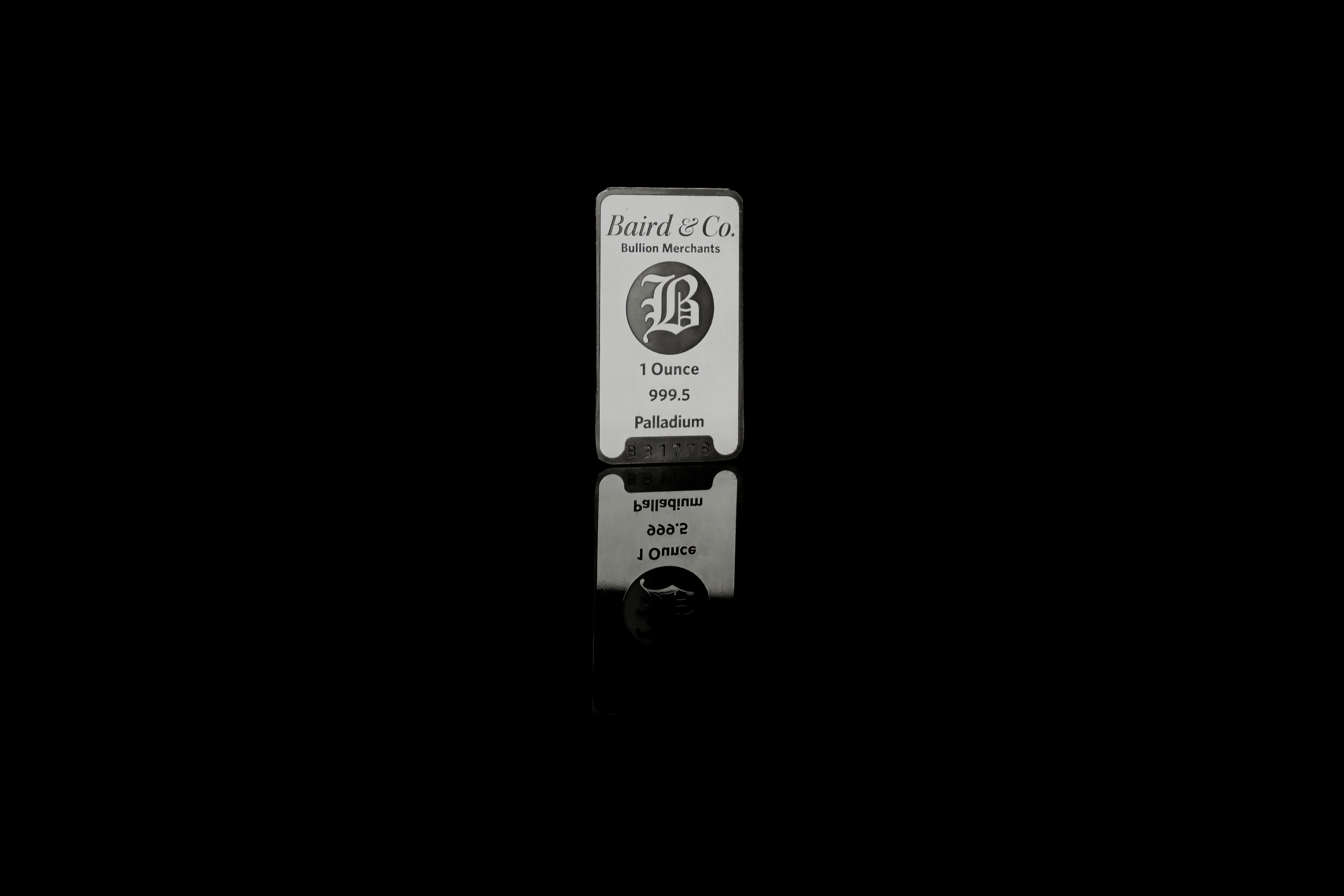
A modern investment silver bar will typically carry its core specification, including the refiner or manufacturer, weight and fineness. Some products also use a serial or product identifier, while supporting packaging may carry assay or product information. These details help you compare the physical bar with the seller's description before you buy.
Refiner or manufacturer: identifies the business responsible for producing the bar.
Weight: such as 100g, 500g, 1kg or a troy-ounce denomination.
Fineness: commonly expressed as 999 or another stated purity.
Serial or product identifier: used on some products and formats, but not a universal feature of every small retail bar.
Supporting packaging: may carry assay or other product information where the bar is sold in a sealed or carded format.
Counterfeits can imitate logos, stamps and packaging, so markings should agree with the product specification, seller records and provenance. That documentation can also make later verification or resale easier.
Do Silver Bars Come with a Certificate of Authenticity?
Not always. Certificates, assay cards and sealed packaging depend on the manufacturer and product format; their absence does not by itself make a bar counterfeit. Keep any invoices, packaging and product records because they can support provenance later.
Does Every Silver Bar Have a Serial Number?
No. Serialisation varies by manufacturer, bar size and format. A serial number can support traceability, but its absence does not by itself prove that a silver bar is fake.
If a bar is advertised as serialised, check that the number matches any accompanying packaging or records.
Do Silver Bullion Bars Need a UK Hallmark?
No. In the UK, bullion bars are not subject to the same compulsory hallmarking rules as many finished precious-metal jewellery articles. Under the Hallmarking Act 1973, raw material, including bars, plate, sheet, rod and other forms, and bullion are listed among the exempted articles.
The absence of a conventional UK jewellery hallmark therefore does not, by itself, make a bullion bar suspicious. When assessing investment silver, focus instead on the manufacturer's or refiner's markings, stated weight and fineness, provenance, product documentation and the reputation of the business selling it.
What Does LBMA Good Delivery Mean for Silver Bars?
LBMA Good Delivery sets standards for bars acceptable for physical settlement of Loco London transactions. For silver, the current technical specifications require a nominal weight of 1,000 troy ounces, with a permitted range of 900 to 1,100 troy ounces, and a minimum fineness of 999.0. Retail buyers should distinguish these wholesale Good Delivery bars from smaller products such as 500g or 1kg silver bars.
The important point for retail buyers is what this does not mean. A smaller retail bar, for example a 500g or 1kg product, does not itself become an LBMA Good Delivery bar merely because it is produced by a refiner on the LBMA Good Delivery List. LBMA states that other refined gold or silver products produced by accredited refiners fall outside the scope of the Good Delivery Lists.
Recognised refinery credentials can indicate the producer's market standing, but they do not make every retail product a Good Delivery bar.
How Do You Choose a Reputable Silver Bullion Dealer?
When you purchase silver bars, choose a dealer that is established, traceable and transparent about the products it sells, including weight, fineness, manufacturer, pricing and delivery or storage arrangements. A credible supplier can reduce uncertainty around origin and provide clearer records if the bar later needs to be verified, transferred or resold.
Before buying, look for a supplier that provides:
- A clear legal and trading identity;
- Detailed product specifications;
- Transparent pricing and payment processes;
- Appropriate transaction records or invoices;
- Secure delivery or clearly documented storage options;
- A straightforward route for customer queries, verification and future resale.
Compare Baird & Co.'s current silver bars, specifications and live pricing when you are ready to move from research to product comparison.
How Can You Test Whether a Silver Bar Is Real?
Check weight, dimensions, markings and magnetic behaviour for obvious inconsistencies, but no home test proves that an entire bar is genuine 999 fine silver. If a bar is high-value, unfamiliar or questionable, professional testing can provide stronger evidence.
Professional verification may use X-ray fluorescence (XRF), electromagnetic resistivity testing, density measurement or other methods. Each has limits: XRF, for example, primarily analyses surface composition, so a professional assessment may combine techniques.
Avoid destructive DIY tests such as filing, drilling or chemicals, which can damage the bar and complicate resale. If doubt remains, use professional assessment.
Why Might a Silver Bar Be Priced Much Lower Than Comparable Bars?
Before you purchase silver bars, compare the all-in price with comparable physical bullion. Prices vary with premiums, fabrication costs, promotions, secondary-market stock, condition and availability; a price below the value of the silver itself would be unusual in an ordinary retail transaction and deserves further scrutiny.
For ordinary UK retail purchases of physical silver bullion bars for delivery, VAT is charged at the standard rate, currently 20%. A spot-price chart is therefore not the same as the final retail price of a bar. Compare the all-in cost, including the applicable premium, VAT and fulfilment, rather than judging value from spot price alone. The Royal Mint confirms the current VAT treatment of silver bullion.
A higher price is not proof of authenticity either. Because bullion prices move with the silver market, compare the specification and current all-in price at the same time.
Should You Take Delivery of Silver Bars or Use Secure Vault Storage?
If you purchase silver bars for long-term ownership, decide whether you want direct physical possession or professional vault storage. Taking delivery gives you control over where the silver is kept, while vault storage can address concerns around home security, insurance and record-keeping.
For vault storage, check how ownership is recorded, whether holdings are segregated and insured, what records you receive, and how sale or delivery works. Clear custody records can make later verification or resale more straightforward.
For buyers who prefer not to store silver at home, Baird & Co. offers secure vault storage for silver and other precious metals. Baird states that metal held through its vaulting service is individually segregated and fully insured.
Purchase Silver Bars from Baird & Co.
At Baird & Co. we offer minted and cast 999 fine silver bars across multiple weights, with live pricing and secure storage available alongside its bullion retail, refining and manufacturing operations.
If you are ready to purchase silver bars, compare the current range, specification and all-in price before placing an order. If secure custody is preferable to home storage, review Baird vault storage at the same time.

Call Us

Our Opening Hours

Email Us


Visit Us
Visit our showroom at Hatton Gardens or find more information.