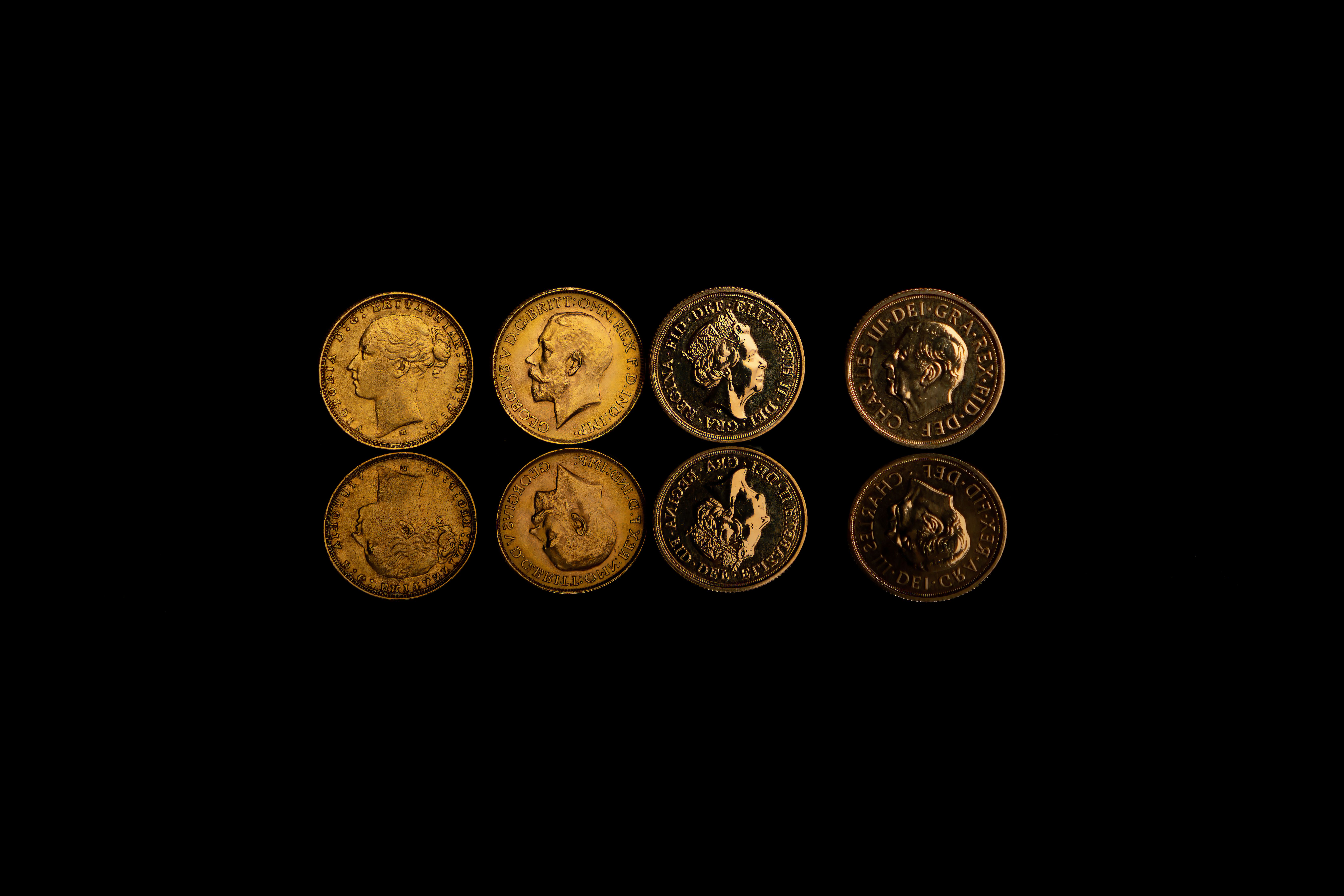
Whether you should buy silver coins or gold coins depends on what matters most to you. Gold coins can suit buyers who prioritise compact value storage, lower price volatility and the VAT treatment available to qualifying investment gold. Silver coins require less capital per unit and can make staged buying or selling easier, although physical silver bought for normal UK delivery is generally subject to VAT.
Choose gold when value concentration, VAT efficiency and lower storage requirements are priorities. Consider silver when a lower cost per coin and smaller increments matter more. Before you buy silver coin products, compare premiums, volatility and tax treatment rather than the metal price alone.
At Baird & Co., our bullion range spans both gold and silver coins, allowing you to compare the two metals using actual retail products rather than spot prices alone. Looking at denomination, premium, tax treatment and the amount of value held in each coin gives you a more practical basis for deciding which metal fits the way you want to buy and hold bullion.
Gold Coins vs Silver Coins: What's the Difference at a Glance?
Price per coin, UK tax treatment, volatility, storage and resale flexibility all affect which metal is more practical for you.
| Factor | Gold coins | Silver coins |
| Capital required per coin | Generally higher | Generally lower |
| UK VAT | Qualifying investment gold coins are exempt | Physical silver coins generally attract standard-rate VAT for UK delivery |
| Price volatility | Historically generally lower | Historically generally higher |
| Value stored in a small physical space | Higher | Lower |
| Staged buying or selling | Depends on denomination and number of coins | Lower unit values can provide more flexibility |
| UK CGT treatment | Certain UK legal-tender coins can be exempt | Certain UK legal-tender coins can be exempt |
Are Silver Coins Cheaper to Buy Than Gold Coins?
A silver bullion coin generally costs much less than a comparable gold coin because silver has a lower market value per ounce. That lowers the capital needed per purchase but does not make silver automatically cheaper to own.
The retail price of either coin includes the value of the metal plus a premium for producing and selling the finished product. In the UK, physical silver for normal delivery also generally carries VAT. When you buy silver coin products, compare the VAT-inclusive retail price with the all-in price of a qualifying investment-gold coin rather than comparing spot prices in isolation.
Compare Baird's gold and silver bullion coins side by side using current prices. Focus on the total amount you pay, including applicable tax and premium.
Do You Pay VAT on Gold and Silver Coins in the UK?
Qualifying investment gold coins are exempt from VAT in the UK, while physical silver coins purchased for normal UK delivery are generally subject to the standard 20% VAT rate. HMRC defines which gold coins qualify as investment gold, so the exemption should not be assumed to apply to every gold coin.
This difference matters because VAT becomes part of the acquisition cost of physical silver. Before you buy silver coin products in the UK, compare the full amount payable rather than treating the lower silver price as the whole cost advantage.
Are Silver Coins More Volatile Than Gold Coins?
Silver has historically experienced larger percentage price movements than gold, so its lower price per coin should not be confused with lower investment risk. World Gold Council research published in 2026 also found materially higher volatility in silver than gold.
Greater volatility works in both directions. Silver can rise faster during some periods and fall faster during others. If you buy silver coin products, the decision should therefore reflect your tolerance for price movement rather than an assumption that a cheaper unit price means a more conservative holding.
Which Takes More Space to Store: Gold or Silver Coins?
Gold stores more monetary value in a smaller amount of physical metal than silver. For the same approximate value, a silver holding will generally involve more weight, more individual coins or both.
That may matter little for a modest holding, but it becomes more relevant as the value increases. Buyers planning to buy silver coin products in larger quantities should consider the practical space, handling and security required to store the position.
Are Gold or Silver Coins Easier to Sell?
Recognisable bullion coins in either metal can have an established resale market, but denomination and the number of coins you own affect how flexibly you can sell. A holding spread across several lower-value coins can be sold in smaller portions, whereas a more concentrated holding gives you fewer separate units to dispose of.
That does not make silver automatically more liquid than gold. Product recognition, condition, metal prices, dealer demand and spreads can all affect resale. Consider your likely exit before you buy silver coin products, particularly if staged selling matters to you.
Are Gold or Silver Britannias Better for UK Investors?
Neither is automatically better, but Britannias show clearly why UK investors need to compare tax treatment as well as metal price. Gold and silver Britannia bullion coins are UK legal tender and are exempt from UK Capital Gains Tax for UK residents. Their VAT treatment, however, is different.
Qualifying Gold Britannias fall within the investment-gold VAT exemption. Silver Britannias bought for normal UK delivery generally remain subject to standard-rate VAT. VAT exemption and CGT exemption are separate tax rules, so one should never be used as shorthand for the other.
If you plan to buy silver coin products such as Britannias, compare their tax treatment with the equivalent gold product. The lower capital required for silver may matter more to some buyers; others may place greater weight on the VAT treatment of investment gold.
Should You Buy Gold Coins, Silver Coins or Both?
Gold coins may suit you when compact value storage, qualifying investment-gold VAT treatment and historically lower volatility are higher priorities. Silver coins may suit you when a lower amount of capital per coin and the ability to build or sell a holding in smaller increments matter more, and you are comfortable accounting for VAT and greater price volatility.
Holding both can make sense if you deliberately want exposure to each metal and understand their different costs and market behaviour. There is no universal gold-to-silver allocation; the better decision depends on how you intend to buy, hold and sell physical bullion.
Before you buy silver coin products or choose gold instead, compare the complete economics of the specific products in front of you: retail price, premium, applicable tax, denomination and the flexibility the holding gives you.
Compare Gold and Silver Coins from Baird & Co.
Compare Baird's current gold and silver bullion coins using live retail prices rather than metal price alone. Our range includes UK and international bullion coins across both metals, so you can compare denomination, price and product details in one place.
When you are ready to buy silver coin products or gold coins, check the current all-in price and applicable tax treatment before ordering. If you need help comparing the available options, our sales team can discuss the current range.
Important information: Precious metals can rise or fall in value. Tax treatment depends on the product and individual circumstances and may change. This article provides general information only and is not personal investment or tax advice.

Call Us

Our Opening Hours

Email Us


Visit Us
Visit our showroom at Hatton Gardens or find more information.