Many UK investors sit between two very different worlds. On one side, people buy gold, build positions in physical bullion and compare gold bars for sale or plan a future gold coin sale. On the other, investors buy digital assets such as Bitcoin and accept sharp swings in price as part of the journey.
The question is not which side is right, but why different people feel comfortable with such different ways of storing value. If you already purchase gold coins, buy silver bullion or keep an eye on the 500g of silver price, you probably think about risk and value differently from someone who trades fast-moving digital markets. This guide looks at those differences through a behavioural lens and explains why physical bullion from an established UK refiner such as Baird Mint still appeals strongly to many investors.
How Does Psychology Shape the Way You View Different Assets?
Your investing choices reflect how you feel about risk, value and control. Several psychological tendencies show up again and again:
Tangibility bias. Many people trust assets they can see, hold and verify independently.
Loss aversion. Most investors feel losses more strongly than gains, so they often prefer assets that feel more stable.
Familiarity. People draw comfort from what they recognise, especially when it has a long history.
Control. Some investors want direct, physical control, while others prefer digital convenience.
Physical bullion and Bitcoin sit at different points on each of these scales. Understanding that difference helps you see why buying gold bars or choosing minted gold bars can feel very different from buying a digital token, even if both respond to wider markets.
Why Do Many Investors Trust Physical Gold More Than Bitcoin?
Gold carries a long record as a store of value. For centuries, investors and savers have treated it as a form of financial insurance, and that history still shapes how many people choose to buy gold today.
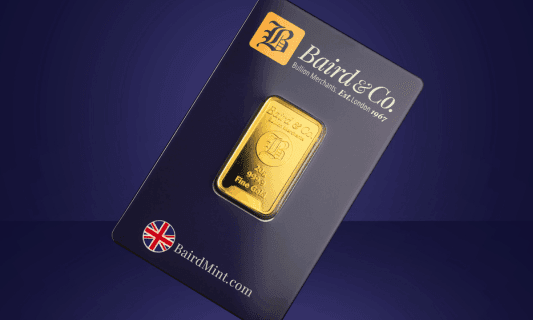
When you hold a gold bar or coin, you see the weight stamped on the face, feel the density and read the markings. You know it contains a defined quantity of metal refined to an agreed standard, and you can check the hallmark, fineness and refiner’s stamp against published specifications. If the bar or coin comes from an LBMA-accredited refiner such as Baird Mint, it sits within the same standards that professional vaults and dealers work with every day, which makes it straightforward to store, reconcile and price when you decide to sell.
Bitcoin works differently. You cannot see or touch it. You rely on the security of your private keys, the strength of the underlying network and the practices of any platform you use. For some investors, that structure is interesting and innovative. For others, it feels distant and abstract.
If you prefer assets you can verify directly, it is natural to feel more comfortable when you buy gold or invest in gold coins than when you hold a purely digital position.
Why Do Some Investors Prefer Bitcoin Despite the Volatility?
Many investors accept or even welcome volatility if they believe an asset offers strong long-term potential.
People who favour Bitcoin often like the idea of a decentralised system that sits outside traditional channels. They also tend to feel more comfortable with technology and with the idea that value can exist purely in digital form.
From a behavioural point of view, this group usually has a higher tolerance for uncertainty. They may trade more actively or view large price swings as an opportunity rather than a threat. For them, the potential for sharp gains matters more than the comfort of holding a bar or coin.
How Does Verification and Authenticity Reassure Bullion Investors?
Verification sits at the heart of most bullion decisions. Buyers who prefer physical metal look for clear evidence that their holdings meet recognised standards because it dictates which dealers will quote, how tight the spreads are and how quickly trades can settle.
With gold and silver products, this evidence comes in several forms:
Hallmarks and fineness stamps on bars and coins.
Serial numbers on larger bars and minted products.
Assay cards and tamper-evident packaging issued by the refiner.
When you purchase silver bars, buy silver bullion or look at gold bars for sale, you can choose products that offer strong verification features. Bars from a direct UK refiner such as Baird Mint carry the Baird name, 999 or 999.9 fineness, a stated weight and, on larger units, individual serial numbers. Those details are what dealing desks and vault teams use for booking, reconciliation and resale, which gives investors a clear line from the product in their hand to the records in the system.
Bitcoin relies on a different form of verification. Transactions sit on a public ledger, and ownership depends on control of private keys. That structure appeals to some investors but still feels unfamiliar to others, especially if they prefer checks they can carry out in person or with professional support.
How Does Storage Influence the Way You Feel About Risk?
Storage is another area where psychology plays a role.
Many investors who buy gold prefer professional vault storage. Allocated and segregated accounts record specific bar and coin holdings in your name rather than in a pooled pot, supported by documentation and insurance. Regular vault statements list those holdings by metal, weight and, where relevant, serial number, so any future review or sale starts from a clear, auditable record.
Others keep part of their holdings at home in a suitable safe to maintain a sense of direct control, sometimes alongside a vault account for larger positions.
Digital assets remove the need for physical storage, but they introduce different questions. Investors must manage private keys and access methods, and they rely on their own processes or on third-party platforms to keep their positions safe.
How Do Investors Interpret Prices and Value in Different Ways?
Investors who buy gold and other bullion often like the way they can track value through weight-related metrics. They think in terms of price per gram, price per ounce and total exposure across metals, usually taking the live spot price and adding the fabrication premium for the format they are buying.
For example, a buyer might look at the live price of pt or the pt price per gram when they think about platinum and review the 500g of silver price when they consider a specific bar size. They may compare the cost of different ways to purchase silver bars or review pricing when they assess a potential gold coin sale, so they understand where each product sits against spot.
With gold, they can compare different formats side by side. They can look at minted gold bars, standard cast bars and widely recognised coins, then decide which mix they prefer based on premiums and liquidity.
How Can Understanding Your Own Psychology Help You Choose?
When you step back, the choice between physical gold and Bitcoin often says as much about you as it does about either asset.
If you prefer tangible holdings, clear documentation, structured gold storage and the reassurance of working with a direct UK refiner, choosing to buy gold and hold physical bullion may suit you well. You might choose to buy gold bars from a recognised brand, purchase gold coins that benefit from familiar designs or buy silver bullion to diversify your metal exposure.
If you feel comfortable with volatility, rapid market moves and purely digital ownership, you may lean more towards Bitcoin and similar assets. You might accept higher uncertainty in exchange for the potential of strong upside.
Either way, understanding your own risk tolerance, time horizon and need for control will help you decide what role each asset should play in your overall plans.
Bringing Behaviour and Bullion Together
If you recognise yourself in the profile of a bullion-focused investor, you can work with LBMA-accredited refiners such as Baird Mint, which refines and supplies investment-grade bars and coins for UK clients, to build positions in physical metal. You can explore options to buy gold, invest in gold coins or buy silver bullion through secure UK channels and store those holdings in a way that matches your preferences.
By aligning your choices with your own psychology, you give yourself a clearer, more sustainable way to approach both physical and digital assets, without feeling pulled in directions that do not suit your temperament.

Call Us

Our Opening Hours

Email Us


Visit Us
Visit our showroom at Hatton Gardens or find more information.