Where and How to Purchase Silver Bars with Confidence
When you purchase silver bars, price is often the first thing you look at. Spot price, premium per gram, and total cost tend to dominate the decision. In practice, confidence is tested later, at the point of resale or reallocation, when the market prices, verifies, and settles the silver without delay or dispute.
Why do investors choose silver bars instead of other silver investments?
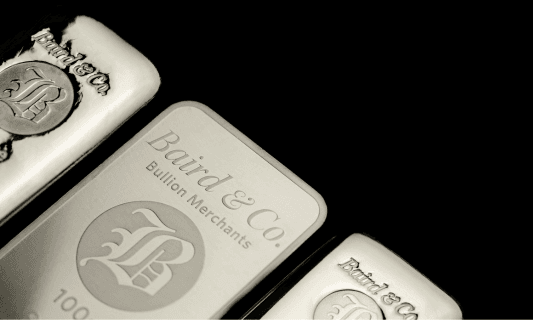
Investors who purchase silver bars usually do so for practical reasons rather than speculation. For many buyers, the decision to purchase silver bars centres on execution quality rather than short-term price movement. Bars provide direct ownership of investment-grade metal in a format that professional bullion markets routinely trade, book, and settle. Investors looking to take the next step can browse silver bars available from Baird & Co. across a range of sizes and weights.
Silver bars are widely used because they:
Allow positions to be built incrementally or consolidated efficiently
Are familiar to dealers, vault operators, and refiners
Avoid the higher non-metal premiums attached to many collectible formats
Why the source of your silver bars matters at resale
A common mistake among first-time buyers who purchase silver bars is focusing entirely on the bar itself. In real market conditions, the source of the bar often matters more than its appearance or size, particularly once the metal reaches a resale desk.
What are the risks of buying silver bars from non-refining sellers?
Different supply chains bring silver bars to market. Bars sourced through informal channels or non-specialist sellers often introduce issues that surface when sellers present the metal for resale.
Common issues seen at resale include:
Limited or unclear information about production and verification history
Inconsistent markings or formats that require additional checks
Slower acceptance when booking metal into professional vaults
Wider buy-back spreads applied to account for verification time and risk
These issues do not always affect the purchase price, but they often disrupt pricing and settlement later.
Why does buying silver bars from a recognised refiner reduce risk?
When you purchase silver bars directly from a recognised refiner, or through a refiner-led supply chain, the market applies different handling standards to those bars. Baird & Co.’s in-house refinery plays a central role in maintaining that consistency and recognition.
Refiner-sourced bars benefit from:
A clear chain of custody from production through to resale
Consistent formats that dealers and vault teams recognise immediately
Faster processing when metal is sold back or moved into storage
This familiarity reduces friction at resale, shortens intake checks, and supports more predictable pricing.
How can you verify the authenticity of silver bars before you buy?
Authenticity in the bullion market is not only about purity. From a practical standpoint, it is about how quickly that purity can be confirmed without escalating the bar for additional testing.
What markings should an investment-grade silver bar have?
When you purchase silver bars intended for investment, you should expect clear and permanent markings that allow immediate identification. These typically include:
The stated weight
The fineness of the silver, commonly 999
The refiner or manufacturer’s mark
A layout that matches known production specifications
These features allow dealers and vault operators to confirm the bar against reference data quickly, without delay.
Why do silver bars from recognised refiners pass verification faster?
Recognised refiners produce bars that move through verification more efficiently. Their dimensions, markings, and appearance match reference standards already used across the trade.
As a result, teams complete verification earlier in the process, confirm pricing sooner, and reduce exposure to price movement during checks.
What silver bar size is best for flexibility and resale?
Many buyers who purchase silver bars treat bar size as a budget decision In practice, it is also a planning decision that affects how silver can be sold and settled later.
Are smaller silver bars easier to sell than larger bars?
Smaller silver bars offer execution flexibility. They allow staged selling or partial liquidation without disturbing the entire position. This flexibility usually comes with a slightly higher premium per gram, reflecting fabrication and handling costs.
Larger bars typically carry lower premiums per gram, but they concentrate value into a single unit. Selling a large bar usually means selling the full position at once, which limits execution flexibility.
How investors typically use different bar sizes
Many investors use a mix of bar sizes to balance flexibility, control, and premium, based on how they expect to manage sales in future.
Why do silver bars carry different premiums?
Many buyers misunderstand premiums. They are not arbitrary mark-ups, but a reflection of the real costs involved in refining, fabricating, and distributing physical silver.
When you purchase silver bars, the premium typically covers:
Refining and quality control
Fabrication and finishing
Secure handling and distribution
Bars that cost slightly more upfront often trade with fewer checks and tighter spreads later.
Is the cheapest silver bar always the best option?
A very low premium can indicate uncertainty around sourcing or recognition. If a dealer spends more time verifying a bar at resale, wider spreads or slower execution usually follow. Investors focused on confidence consider how a bar trades later, not just its entry price.
How should silver bars be stored to protect resale value?
How you store silver directly affects how easily you can sell it. Storage choices influence condition, traceability, and how quickly a dealer can confirm pricing at resale.
Silver bars that remain in good condition, with clear ownership and sourcing records, move through resale intake processes more smoothly. Surface damage, missing documentation, or unclear history can slow acceptance.
Professional vault storage versus home storage
Professional vault storage preserves both condition and documentation. Using professional vault storage helps maintain a clear audit trail from purchase through to resale. Allocated storage records specific bars under your name, creating a clear audit trail from storage to sale.
Home storage remains an option for smaller holdings, but it places responsibility for security, insurance, and record-keeping on the owner. Some investors also compare this with unallocated metal options, depending on how they plan to manage custody and liquidity. Dealers often apply additional checks to bars presented from private storage before they confirm pricing.
How does liquidity actually work when selling silver bars?
Liquidity in physical bullion markets operates in practical terms rather than theoretical ones. It describes how quickly the market prices, verifies, and settles a bar once you decide to sell.
In practice, bars with clear provenance and recognised formats tend to:
Be priced more quickly
Attract firmer buy-back bids
Settle faster once verification is complete
The confidence you establish at purchase directly affects these outcomes.
Why buyers trust Baird & Co. when purchasing silver bars
Baird & Co. approaches silver from a refiner’s perspective, informed by how metal is produced, verified, stored, and sold back into the market.
Buyers benefit from:
Secure sourcing backed by in-house refining expertise
Formats that professional markets understand and price readily
Storage and buy-back pathways designed to reduce avoidable friction
This infrastructure-led approach removes unnecessary steps from ownership and resale and supports confidence throughout the holding lifecycle.
Why planning resale matters when purchasing silver bars
When you purchase silver bars, preparation creates confidence. Sourcing, bar size, verification, and storage all influence how efficiently silver can be priced and sold later.
By focusing on these factors, investors move beyond short-term price comparisons and build positions designed to perform when they need to sell. For those seeking long-term exposure to physical silver with clear resale pathways, a structured approach to purchasing silver bars provides that confidence.
Explore silver bar options with a Baird & Co. account – sign up here!

Call Us

Our Opening Hours

Email Us


Visit Us
Visit our showroom at Hatton Gardens or find more information.