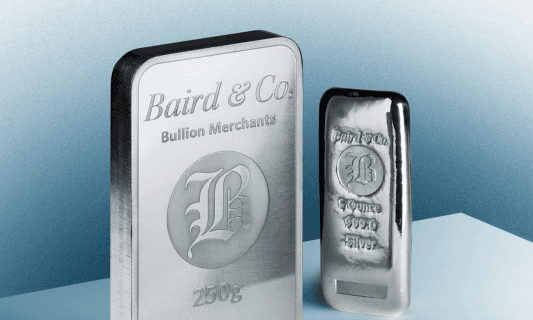
Silver prices swing more sharply than gold. A move of a few percentage points in gold can translate into a larger percentage change in silver. In the UK, that movement does not affect spot value alone. It changes the VAT line on the invoice and often shifts the premium attached to physical bars at the same time.
When volatility increases, the total acquisition cost of silver can move faster than many buyers expect. VAT at 20%, retail premium adjustments and bar size concentration all compound the effect of price swings. Buyers who focus on full invoice cost, not just spot price, make more controlled allocation decisions.
Why Does Silver Volatility Matter More in the UK?
Silver trades in a thinner market than gold and carries a larger industrial footprint. Manufacturers, energy projects and fabrication demand account for much of its total use. When those demand inputs change, prices can react quickly.
For UK buyers, the impact goes further than spot price movement. Because VAT applies to physical silver, every percentage move in the underlying metal also affects the tax component of the invoice. Volatility therefore compounds acquisition cost in a way that does not apply to investment gold.
This structural difference makes silver volatility more significant for UK-based allocation decisions.
How Price Swings Alter Total Invoice Cost
When silver rises sharply, the capital required to secure a 1kg bar rises just as quickly. The VAT line on the invoice rises with it. Premiums may also widen if retail demand increases at the same time.
For example, if silver moves from £70 to £85 per ounce, the percentage change applies to the metal value first. VAT then applies to the higher invoice amount. In volatile phases, the combined effect can materially change the total cash required to enter a position.
Bar size then shapes how concentrated that capital becomes. A single 1kg bar represents a defined exposure. If you later reduce holdings, you may need to sell the entire unit. Smaller bars or even silver coins allow more incremental adjustment.
How Retail Premiums Respond to Volatility
The price of a silver bar equals the live spot rate plus a retail premium. That premium reflects fabrication cost, dealer margin and current demand conditions.
During strong rallies, retail demand can tighten available stock and extend fabrication lead times. Dealers adjust pricing to reflect that pressure. In pullbacks, they manage inventory exposure, which can influence spreads.
When you buy silver bullion in fast markets, the premium percentage becomes part of your cost calculation. Compare premium percentages across bar sizes and confirm pricing directly against the live spot rate before execution. On our silver bullion pages, pricing updates in line with the live market so you can assess both premium and availability before you place an order.
How VAT Compounds Volatility in the UK
UK tax rules apply VAT to silver bullion at 20%. For private investors, VAT forms a direct part of the purchase cost.
When prices rise, VAT rises proportionally because it applies to the invoice total. The tax does not adjust for market direction. It increases alongside spot price and premium.
VAT-registered businesses may recover VAT depending on their circumstances and professional advice. Private investors cannot. For them, VAT becomes part of the cost base and shapes resale expectations. Investors allocating through pension structures should review how precious metals are held within pension arrangements before committing capital.
Before you buy silver bullion, calculate the full VAT-inclusive invoice. Our silver bullion product pages show clear pricing breakdowns so you can see the total cost before committing capital.
Bar Size, Capital Concentration and Storage
Bar size affects how volatility translates into capital concentration. In the UK retail market, 1kg bars are among the more commonly traded formats and typically carry lower premiums per gram.
That efficiency comes with scale. A larger bar concentrates more capital into one unit. In volatile markets, flexibility can matter.
Silver also requires materially more storage volume per pound invested than gold. Ten thousand pounds’ worth of silver occupies significantly more physical space than the same value in gold. Investors who prefer not to manage custody themselves can use our secure storage facility to simplify logistics and streamline resale. Some investors seeking price exposure without taking physical delivery consider unallocated metal structures as part of a broader allocation strategy.
Bid–Ask Spreads and Exit Pricing
Dealers quote buy-back prices as a spread to the live spot rate at the time of sale. They do not reference your original purchase price.
When volatility increases, pricing risk increases. Dealers may widen spreads to manage exposure. Inventory depth can also influence bid–ask relationships.
Before you buy silver bullion, review both entry premium and exit reference. Working with a refinery-backed supplier helps maintain clearer continuity between purchase pricing and resale terms. You can also review current market commentary in our Insights section to monitor how pricing conditions evolve.
Practical Cost Controls Before You Buy
Confirm weight and purity before placing an order. Review the premium as a percentage of spot. Calculate the VAT-inclusive invoice total. Check how buy-back prices reference the live market. Plan storage in advance.
Volatility increases speed in the market. Process protects capital.
Where to Buy Silver Bullion at Live Market Pricing
When selecting a supplier, confirm that pricing references the live wholesale market at the point of trade.
Our silver bullion pages display current pricing, specifications and availability in line with the prevailing spot rate. As a UK-based refinery operating across refining, fabrication and retail distribution, Baird & Co. prices products in line with wholesale market movements. That structure reduces reliance on intermediaries and keeps pricing closer to wholesale market conditions during volatile periods.
Investors who require professional custody can use our secure storage facility. It offers insured vaulting and streamlined resale through the same market-referenced pricing framework.
What This Means for Long-Term UK Buyers
Silver volatility widens the gap between different entry points. In the UK, VAT and retail premium adjustments amplify that difference at the invoice level.
Over time, acquisition structure influences realised outcomes more than a single trading day. VAT treatment, premium percentage, bar size and resale mechanics all shape results.
Assess premium levels and confirm how buy-back pricing references the live market before committing capital. When markets move quickly, disciplined execution protects capital. Open your account with Baird & Co. to transact at live market pricing supported by direct refinery supply via our silver bullion range.

Call Us

Our Opening Hours

Email Us


Visit Us
Visit our showroom at Hatton Gardens or find more information.