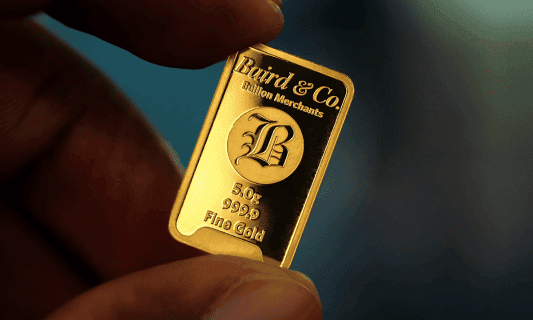
Investors have traditionally used gold investments as a proven way to protect wealth while adding diversity to their financial holdings. Minted gold bars stand out as one of the most favoured options for gold investors. This article examines what makes gold bars appealing to investors and the advantages they provide while discussing important factors to contemplate when adding them to a portfolio.
Understanding Minted Gold Bars
Minted gold bars represent high-quality pure gold items distinguished by their exact measurements and the combination of polished surfaces with complex designs. Gold bars produced through minting commence from rolled gold sheets which are later cut and feature detailed stampings unlike cast bars which originate from molten gold poured into moulds. The production method achieves gold purity levels of 99.99% while producing bars with uniform visual appeal that attract investors and collectors.
The refined production method also means that minted bars have a standardised weight and shape, making them easier to verify and trade compared to cast bars. This uniformity gives investors confidence in their authenticity, which is crucial in a market where counterfeit gold products can be an issue.
The Appeal of Minted Gold Bars
1. Aesthetic Excellence
The refined appearance of minted gold bars, featuring smooth surfaces and sharp edges, makes them visually appealing. Many bars showcase intricate designs, logos, and inscriptions, enhancing their desirability among collectors and investors who appreciate artistry in their assets. Some refiners even produce limited-edition designs, which can add collectible value over time.
2. Assured Purity and Weight
Each minted gold bar displays its weight, purity level, and the manufacturer's hallmark, providing clear verification. This standardisation simplifies valuation and resale, as buyers can confidently assess authenticity. Some minted bars also come with an assay certificate, further confirming purity and compliance with industry standards.
3. Enhanced Liquidity
The standardised design and recognisability of minted gold bars ensure they remain highly liquid in the market. Investors can buy and sell them easily, as they are widely accepted and trusted worldwide. Their uniformity also speeds up transactions, unlike non-standardised gold forms, which may require additional verification.
4. Security Features
Many minted gold bars include security enhancements to prevent counterfeiting, such as:
Unique serial numbers
Holographic elements
Tamper-evident packaging
QR codes linked to authenticity certificates
These security features protect buyers and streamline the verification process when reselling gold bars.
Why Investors Prefer Minted Gold Bars
1. Ideal for First-Time Investors
Minted gold bars suit first-time investors due to their trusted branding and assured quality. Produced by renowned refiners and mints, they offer authenticity and ease of resale. Their smaller size options make gold investment accessible to those looking to start with lower capital.
2. Convenient Storage and Transport
The standardised sizes and packaging of minted gold bars make them easy to store in safes or professional vaults. Their compact nature allows for secure and discreet transport, providing flexibility for investors looking to hold physical gold.
3. Global Recognition and Trust
Produced by reputable refineries and government mints, minted gold bars are recognised worldwide. Their consistent design and purity levels make them easy to verify and trade internationally, ensuring smooth transactions without the need for extensive testing.
4. Availability in Multiple Sizes
Minted gold bars come in a variety of weights, from small fractional sizes (1g, 5g, 10g) to larger sizes (50g, 100g, 1kg). This range allows investors to tailor their holdings based on their budget and strategy. Smaller bars offer liquidity, allowing investors to sell portions of their holdings rather than an entire large bar.
Considerations When Buying Minted Gold Bars
While minted gold bars offer many advantages, investors should evaluate key factors before purchasing:
1. Premiums Over Spot Price
Minted gold bars carry a higher premium than cast bars due to their refined manufacturing process, detailed designs, and packaging. Investors should assess whether the premium aligns with their investment goals. Those prioritising aesthetics and security features may find the added cost worthwhile, while others focused solely on maximising gold content may consider cast bars.
2. Buying from Trusted Dealers
To guarantee authenticity, investors should purchase from reputable bullion dealers or government mints. Certified bars from trusted refiners, such as Baird & Co., come with a verified weight and purity guarantee, ensuring a secure investment. Avoid unknown sellers, as counterfeit gold bars can be difficult to detect without professional verification.
3. Secure Storage Options
Proper storage is essential for maintaining the value and security of gold investments. Professional vault storage offers insured protection, reducing the risk of theft or loss. Baird & Co. provides high-security vault storage, ensuring that investors can safeguard their gold while maintaining liquidity when they choose to sell.
How to Buy Minted Gold Bars
To purchase minted gold bars safely and efficiently, follow these steps:
Determine Your Investment Budget – Assess how much you want to invest and choose an appropriate bar size.
Select a Reputable Dealer – Buy from established bullion dealers with strong reputations and verified certifications.
Verify Purity and Packaging – Ensure the gold bar has hallmarks, serial numbers, and tamper-proof packaging.
Consider Storage Solutions – Decide between home storage or professional vault services for added security.
Monitor Market Trends – Stay informed about gold prices to make a strategic purchase.
Why Minted Gold Bars Remain a Strong Investment Choice
Minted gold bars offer a combination of aesthetic appeal, security, and liquidity, making them an excellent choice for both new and experienced investors. Whether you're seeking a stable store of value, a portable asset, or a collectible investment, these bars provide unmatched advantages.
At Baird & Co., we offer high-quality minted gold bars, each backed by full authentication and secure storage solutions. Every bar is meticulously verified for weight, purity, and security features, ensuring absolute authenticity. Our transparent pricing structure means no hidden fees — just fair, competitive pricing for your investment.
For added peace of mind, our fully insured, high-security vaults protect your gold, while our buy-back service ensures you can liquidate your holdings effortlessly when the time is right.
Start building your gold portfolio today. Explore our selection of minted gold bars and invest with confidence.
Visit Baird & Co. online or in-store now!

Call Us

Our Opening Hours

Email Us


Visit Us
Visit our showroom at Hatton Gardens or find more information.